Understanding the Fabric Tensile Tester
The fabric tensile tester is an essential instrument used in various industries to evaluate the strength and durability of materials. It plays a critical role in ensuring that fabrics, leathers, and other textiles meet stringent quality standards. At its core, this testing apparatus applies tensile force to materials, measuring their ability to withstand stretching and deformation under load. As organizations strive for excellence in quality control, the importance of accurate and efficient tensile testing cannot be overstated. When exploring options, the fabric tensile tester stands out due to its advanced technology and user-friendly features.
What is a Fabric Tensile Tester?
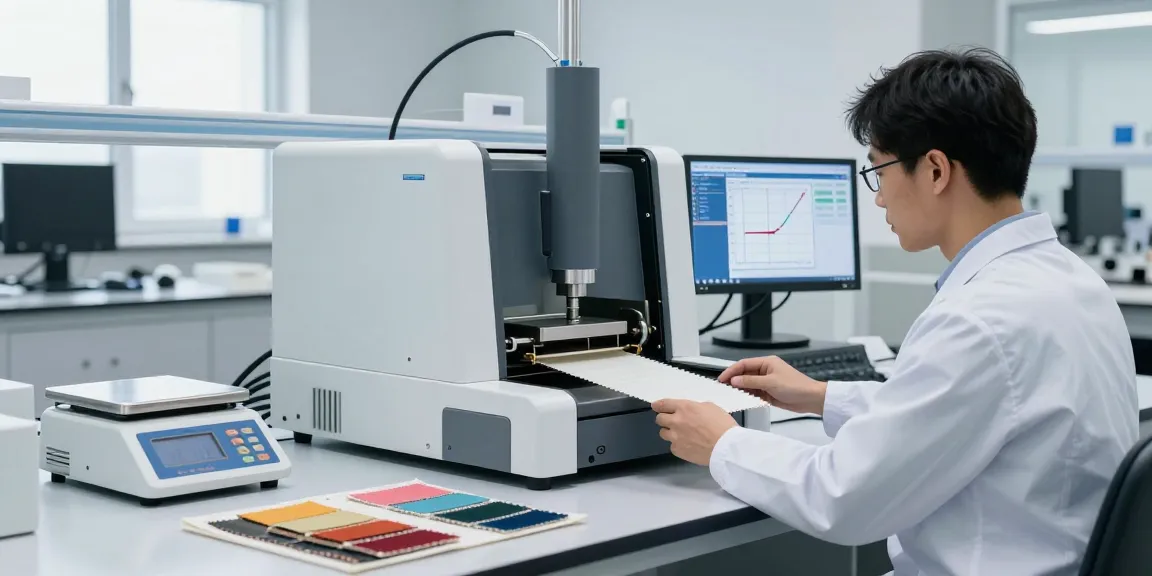
A fabric tensile tester, also known as a tensile testing machine, measures the tensile strength of materials through controlled testing. This specialized device grips the fabric sample at both ends and applies a pulling force until the sample breaks. During this process, it records several key metrics, including the maximum force applied, elongation at break, and the stress-strain relationship of the material. This data is invaluable for manufacturers and researchers in evaluating material performance.
Key Principles of Operation
The operation of a fabric tensile tester is based on fundamental principles of mechanics, particularly stress and strain. Stress is defined as the force applied per unit area, while strain is the deformation resulting from that stress. The performance of the tester relies on various components, including load cells, which convert mechanical force into an electrical signal, and displacement transducers, which measure how much the fabric extends.
Importance of Accurate Measurements
Accurate measurements are crucial in textile testing, as they directly affect product quality and safety. A reliable fabric tensile tester can detect subtle differences in material properties, ensuring that only fabrics that meet specific standards are approved for use. This precision is especially important in industries where fabric performance can impact product longevity and customer satisfaction.
How Fabric Tensile Testers Work
The functionality of fabric tensile testers hinges on their calibration, setup, and operational procedures. Understanding these processes is essential for obtaining reliable test results.
Calibration and Setup Procedures
Before testing begins, the tensile tester must be properly calibrated. This involves adjusting the equipment to ensure accurate readings at various load levels. Calibration helps minimize errors in force and displacement measurements, which is vital for producing consistent and reliable results. Typically, this process includes checking the load cell accuracy, verifying the distance measurements, and ensuring that the software is correctly configured.
Running the Tensile Test: A Step-by-Step Guide
- Sample Preparation: Cut the fabric sample to the required dimensions as per the testing standards.
- Fixture Setup: Attach the sample securely to the testing grips.
- Calibration Confirmation: Verify that the machine is calibrated for the specific test parameters.
- Test Execution: Initiate the test and monitor the machine as it applies force to the sample.
- Data Collection: Record the maximum force, elongation, and any other relevant data during the test.
- Result Analysis: Use the collected data to analyze the material’s properties.
Interpreting the Results and Data Analysis
Once the test is completed, the results can be analyzed to understand the fabric's mechanical properties. The software associated with modern tensile testers often provides graphical representations, such as stress-strain curves, which make it easier to visualize material performance. This analysis helps manufacturers make informed decisions regarding material selection and quality control processes.
Applications of Fabric Tensile Testers
The versatility of fabric tensile testers allows them to be used across a broad spectrum of industries, affecting everything from quality control to research and development.
Industries That Benefit from Tensile Testing
- Textile Manufacturing: Ensures fabrics meet specifications for durability and strength.
- Apparel Design: Assists fashion designers in selecting materials that withstand stress and wear.
- Automotive Industry: Tests for seat cover materials' performance and durability.
- Construction: Evaluates textiles used in building applications, such as tarps and membranes.
Case Studies: Success Stories in Textile Research
Numerous organizations have leveraged fabric tensile testers to enhance product development. For instance, a leading garment manufacturer utilized tensile testing to refine their fabric selection, resulting in a 30% increase in product lifespan. Such successes illustrate the vital role of tensile testing in maintaining competitiveness in a rapidly evolving market.
Material Selection and Quality Control
Quality control is an integral aspect of material selection. By implementing rigorous tensile testing protocols, companies can ensure that only materials that meet or exceed specified strength standards are utilized in production. This not only enhances product reliability but also bolsters brand reputation.
Choosing the Right Fabric Tensile Tester
With numerous options available on the market, selecting the appropriate fabric tensile tester involves careful consideration of several factors.
Features to Consider: Accuracy, Software, and Safety
When evaluating fabric tensile testers, key features to look for include accuracy in measurements, an intuitive software interface, and built-in safety mechanisms. High-quality testers will often include advanced software capabilities that allow for data analysis, automated reporting, and easy integration with other laboratory systems.
Comparing Models and Manufacturers
It's essential to compare different models and manufacturers based on their specifications, customer feedback, and support services. Leading manufacturers often provide extensive support and training resources, which can significantly enhance the user experience and testing efficiency.
Cost Considerations and Budgeting for Your Lab
Investing in a fabric tensile tester is a significant decision for many organizations. Entry-level models may start around $3,000, while high-end machines can exceed $30,000. It's crucial to assess your laboratory's budget while considering the potential return on investment through improved product quality and reduced material waste.
The Future of Fabric Tensile Testing
The landscape of textile testing is continually evolving, with emerging technologies set to enhance capabilities further.
Emerging Technologies in Testing Equipment
Advancements in sensor technology, data processing, and materials science are shaping the future of fabric tensile testing. Innovations such as AI-driven analysis tools and the integration of IoT capabilities are expected to streamline testing processes and provide deeper insights into material performance.
Trends Shaping the Textile Testing Industry in 2026
By the year 2026, the textile testing industry is expected to see a shift toward more sustainable practices, with increased emphasis on eco-friendly materials. This trend will likely influence testing methods and standards as businesses strive to minimize their environmental impact.
Preparing for Changes in Testing Standards
As industry standards evolve, it is crucial for organizations to stay informed about upcoming changes. Facilities that proactively adapt their testing protocols and equipment are better positioned to maintain compliance and enhance their competitive edge.
What are the benefits of using a fabric tensile tester?
Utilizing a fabric tensile tester offers several advantages, including precise measurement of material properties, improved quality control, and the ability to inform material selection processes. By implementing these testers, companies ensure their products meet the required performance standards.
What standards should my tensile tester comply with?
Fabric tensile testers should comply with internationally recognized standards, such as ASTM, ISO, and GB standards, which govern the testing of textile materials. Adherence to these standards ensures reliability and validity in test results.
How often should I calibrate my fabric tensile tester?
Calibration frequency depends on usage intensity and manufacturer recommendations. Generally, it's advisable to calibrate the tester at least once a year or before critical testing sessions to ensure accuracy and reliability.
What materials can be tested with a fabric tensile tester?
A fabric tensile tester is versatile and can be used to evaluate a variety of materials, including but not limited to fabrics, leathers, yarns, and composite materials. This adaptability makes it a staple in textiles and related industries.
How can I improve the accuracy of my tensile tests?
To enhance the accuracy of tensile tests, ensure proper calibration, conduct tests under controlled conditions, and regularly maintain the testing equipment. Additionally, using appropriate fixtures and following standard testing procedures are essential for consistent results.