


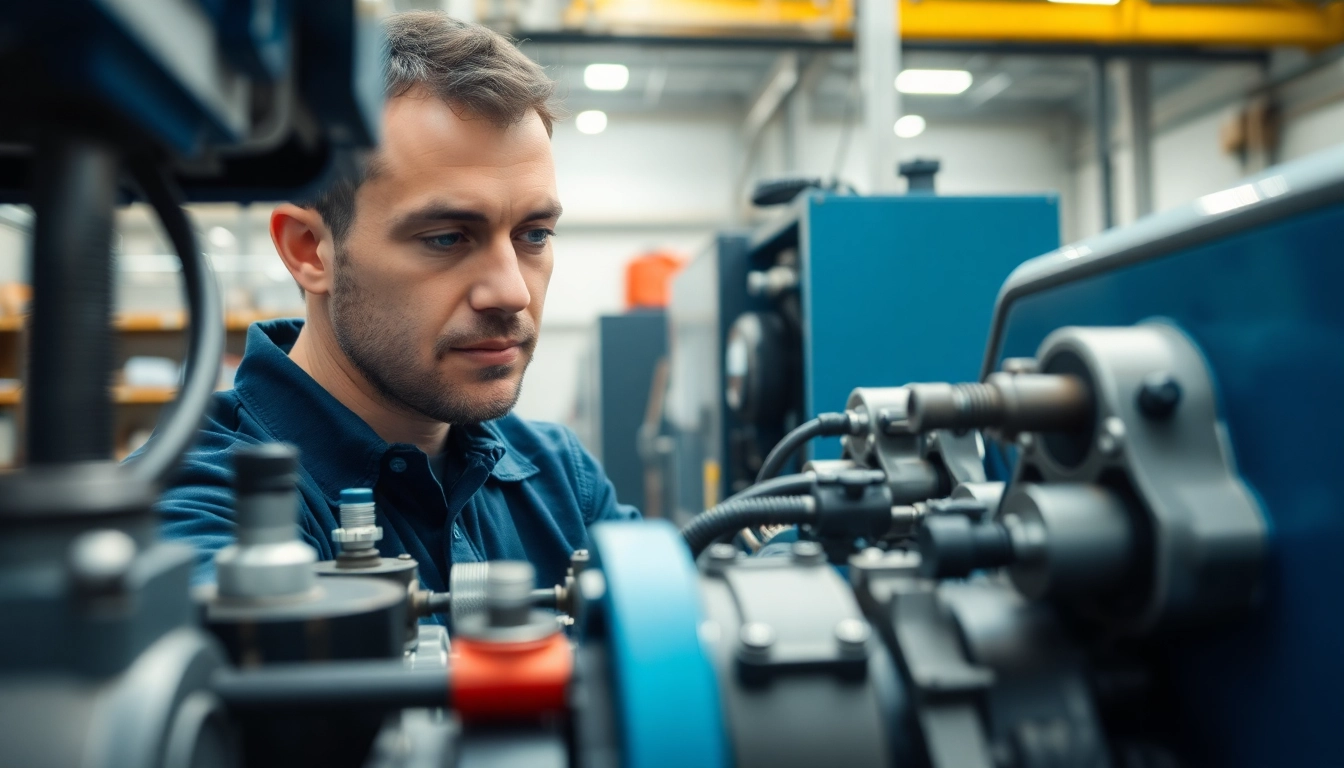
Understanding Hydraulic System Maintenance
Hydraulic systems are critical components in various industries, powering everything from construction equipment to manufacturing machinery. The efficiency and reliability of these systems depend heavily on regular upkeep. This is where hydraulic system maintenance comes into play. Understanding the importance of this maintenance can prevent costly downtimes and extend the lifespan of hydraulic equipment.
The Importance of Regular Upkeep
Regular maintenance of hydraulic systems ensures optimal performance and reliability. Neglecting routine checks can lead to hydraulic fluid contamination, inefficient operation, and even catastrophic failures. By adopting a proactive maintenance strategy, businesses can reduce unexpected repairs and extend the operational life of their equipment. Moreover, regular maintenance is often more cost-effective than dealing with serious breakdowns that can halt production and result in significant losses.
Key Components of Hydraulic Systems
To effectively maintain a hydraulic system, it is essential to understand its key components, which typically include:
- Hydraulic Fluid: vital for the transfer of power within the system.
- Pumps: responsible for generating hydraulic pressure.
- Valves: control the flow and direction of the hydraulic fluid.
- Actuators: convert hydraulic energy into mechanical energy.
- Filters: prevent contaminants from entering the hydraulic system.
Each of these components must be routinely inspected and maintained to ensure the hydraulic system operates at peak efficiency.
Common Issues and Their Impact
Failure to maintain hydraulic systems can lead to several common issues, including:
- Overheating: Often caused by poor fluid quality or insufficient cooling. Overheating can damage seals and components.
- Fluid Leaks: Usually indicates worn seals or connections, leading to loss of pressure and performance efficiency.
- Contaminated Fluid: Introduces particles that can cause wear and damage to components, significantly reducing system life.
- Irregular Operations: Can manifest as slow movements or unexpected stops, often a result of improper fluid levels or faulty components.
Addressing these issues promptly through regular maintenance can mitigate risks and improve reliability.
Best Practices for Hydraulic System Maintenance
Creating a Maintenance Schedule
Developing a comprehensive maintenance schedule is crucial for ensuring every aspect of the hydraulic system receives attention. The schedule should include daily, weekly, and monthly checks. For instance:
- Daily: Check fluid levels and inspect for leaks.
- Weekly: Examine the condition of filters and reservoirs.
- Monthly: Review pump operation and performance indicators.
Utilizing maintenance scheduling software can greatly enhance adherence to these schedules and make tracking simpler.
Essential Tools and Equipment
To effectively maintain hydraulic systems, certain tools and equipment are essential. This typically includes:
- Fluid Analysis Kits: For testing fluid condition and contamination levels.
- Pressure Gauges: To monitor system pressure and detect anomalies.
- Wrenches and Socket Sets: Necessary for tightening or replacing components.
- Seal Kits: Required for quick repairs of any leaks.
- Filter Replacement Kits: To ensure regular replacement of filters to maintain fluid quality.
Having the correct tools on hand not only enhances efficiency but also empowers personnel to conduct maintenance more effectively.
Steps to Conduct an Effective Inspection
Conducting an inspection can be categorized into these essential steps:
- Observation: Begin with a visual check for leaks, wear, or damage.
- Fluid Checks: Measure fluid levels and inspect for contamination.
- Component Testing: Use pressure gauges to ensure all components are functioning properly.
- Documentation: Record findings and actions to track changes over time.
Regular inspections help in identifying issues before they progress into more significant problems.
Preventive Maintenance Techniques
Fluid Quality and Replacement
Hydraulic fluid quality is critical for system performance. Regular checks should focus on viscosity, contamination, and fluid levels. It is advisable to replace fluid approximately every 2,000 operating hours. Using high-quality hydraulic fluids, along with the correct viscosity for the temperature conditions, contributes significantly to system efficiency.
Filter Maintenance and Replacement
Filters prevent harmful particles from contaminating the hydraulic fluid. They should be checked at each inspection, with recommendations to replace filters at least every 500 operating hours or sooner, depending on fluid quality and operational conditions. Implementing a filter maintenance schedule will help keep hydraulic systems running smoothly.
Monitoring System Performance Indicators
Monitoring key performance indicators (KPIs) is essential for effective hydraulic system maintenance. Some critical metrics to watch include:
- Fluid Pressure: Indicates the operational status and can forecast potential issues.
- Temperature: Helps prevent overheating and maintains fluid integrity.
- System Noise: Unusual noises often signal underlying problems, prompting further investigation.
Using sensors and monitors can facilitate real-time tracking of these indicators, aiding in proactive maintenance efforts.
Troubleshooting Hydraulic System Problems
Identifying Signs of System Failure
Recognizing warning signs of hydraulic system failure can prevent malfunctions. Some common symptoms include:
- Unusual Noises: Grinding or whining noises may suggest component fatigue or failure.
- Fluid Leaks: Indicate deteriorating seals or connections.
- Poor Performance: Sluggish movements or failure to maintain pressure can signify problems.
Promptly addressing any of these indicators can help maintain system integrity and performance.
Common Fixes for Hydraulic Issues
Some common solutions for hydraulic issues include:
- Replacing Worn Seals: Prevents leaks and maintains system pressure.
- Flushing Contaminated Fluid: Ensures that only clean fluid circulates through the system.
- Adjusting or Replacing Filters: Enhances fluid cleanliness and system reliability.
Staying in tune with these common fixes can significantly reduce downtime and maintenance costs.
When to Seek Professional Help
While preventive maintenance can address many issues, certain situations warrant professional assistance. Seek help when:
- Persistent problems arise after basic repairs.
- Critical components require specialized tools or expertise for repairs.
- Fluid quality tests indicate severe contamination that exceeds standard cleaning methods.
Engaging professionals can ensure thorough inspections and repairs, maintaining the integrity of hydraulic systems.
FAQs About Hydraulic System Maintenance
What is hydraulic fluid maintenance?
Hydraulic fluid maintenance involves ensuring the fluid remains clean and at the right levels, monitoring for contamination, and replacing it at regular intervals to maintain system performance.
How often should hydraulic systems be inspected?
Hydraulic systems should be inspected regularly, with recommendations typically suggesting checks every 50-100 operating hours or as per operational demand.
What are signs of hydraulic system failure?
Common signs include leaks, unusual noises, low fluid levels, poor performance, and a drop in pressure readings, all requiring immediate attention.
Can I perform maintenance myself?
Basic maintenance tasks such as checking fluid levels and inspecting filters can often be performed by trained personnel, but complex repairs should be done by professionals.
What tools do I need for hydraulic maintenance?
Essential tools include wrenches, pressure gauges, fluid analysis kits, and seal replacement kits, allowing for effective maintenance and troubleshooting.
Contact Information
Call Us: 1 780-452-2876
Email: [email protected]
Address: 13111 159 St NW, Edmonton, AB, Canada, T5V 1H6


