


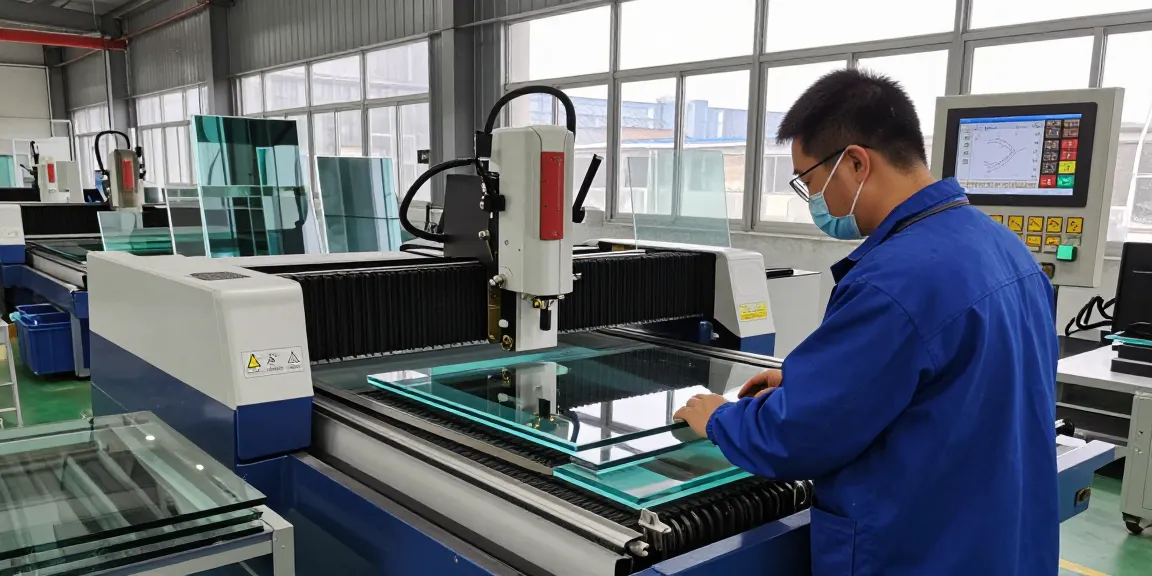
Understanding Glass Cutting Machines
Glass cutting machines are essential tools in the glass processing industry, enabling efficient and precise cutting of various glass types. With the evolution of technology, these machines have transformed the traditional manual processes into automated solutions that enhance productivity and accuracy. The right glass cutting machine not only saves time but also reduces material waste, allowing manufacturers to maintain high-quality standards while optimizing their production capabilities.
What is a Glass Cutting Machine?
A glass cutting machine is designed to score a sheet of glass and make it easier to break along the scored line. These machines can vary in complexity, ranging from simple manual tools to advanced CNC (Computer Numerical Control) systems that automate the cutting process. The core function of a glass cutting machine is to ensure precise cuts that adhere to specified dimensions, which is crucial for both safety and aesthetics in glass applications.
Types of Glass Cutting Machines Explained
There are several types of glass cutting machines available on the market, each suited to different applications:
- Manual Glass Cutting Machines: These are typically basic tools that require human operation. They are best for small-scale projects or hobbyists.
- Semi-Automatic Glass Cutting Machines: These machines assist in scoring the glass but still require manual handling to some extent, making them a bridge between manual and fully automated solutions.
- CNC Glass Cutting Machines: Fully automated systems that utilize computer controls to execute cutting operations with high precision. They are ideal for large-scale production.
- Laser Cutting Machines: These machines use laser technology to cut glass and are known for their ability to produce intricate designs without the need for physical cutting tools.
- Water Jet Cutting Machines: Utilize high-pressure water jets mixed with abrasive materials to cut through glass, providing a clean edge and allowing for complex shapes.
Choosing the Right Glass Cutting Machine for Your Needs
When selecting a glass cutting machine, it’s crucial to consider various factors that will impact its performance and suitability for your specific operations. The right choice will ensure efficiency, safety, and cost-effectiveness in your production processes.
Factors to Consider When Selecting a Machine
Several factors should guide your decision when choosing a glass cutting machine:
- Scale of Production: Assess whether your needs are geared toward small-scale or large-scale production to determine the type of machine that fits best.
- Glass Types and Thickness: Different machines are suited for various glass types and thicknesses. Ensure the machine can handle the specific materials you use.
- Automation Level: Consider the level of automation you require. CNC machines are ideal for high-volume production, while semi-automatic options may suffice for lower volumes.
- Budget Constraints: Evaluate the total cost of ownership which includes not just the purchase price, but also maintenance, operation, and any potential downtime.
- Space Considerations: Assess the space available in your production facility, as some machines may require more room than others.
Comparing Manual vs. Automated Glass Cutting Machines
Manual glass cutting machines appeal to small businesses and hobbyists due to their lower initial cost and simplicity. However, they often lack the precision and speed of automated systems. In contrast, automated machines, particularly CNC models, offer higher production rates and consistency in quality, making them more suitable for larger manufacturing operations.
Assessing Machine Cost and Value for Your Business
When evaluating machine costs, it’s important to analyze not only the upfront purchase price but also the potential return on investment. Consider factors such as:
- Production capacity and efficiency improvements.
- Reduction in waste and rework costs.
- Potential increase in product quality and consistency.
- Long-term maintenance and operational costs associated with the machine.
Best Practices for Operating Glass Cutting Machines
To maximize the lifespan and performance of your glass cutting machines, adopting best practices during operation is essential. This includes adhering to safety guidelines, performing regular maintenance, and optimizing cutting techniques.
Safety Guidelines for Glass Cutting Operations
Safety should always be a top priority when operating glass cutting machines:
- Wear Protective Gear: Operators should wear safety glasses, gloves, and other protective equipment to prevent injuries from glass shards.
- Follow Operational Protocols: Always adhere to the manufacturer’s operating instructions and guidelines.
- Maintain a Clean Workspace: A clean workspace reduces hazards and enhances efficiency by preventing accidents.
- Keep Emergency Equipment Accessible: Ensure that first aid kits and emergency shut-off switches are readily accessible.
Routine Maintenance and Troubleshooting Tips
Regular maintenance is crucial for ensuring your glass cutting machines operate smoothly:
- Inspect Cutting Tools: Regularly check and replace cutting wheels or blades to avoid inferior cutting quality.
- Clean the Machines: Dust and debris can affect performance, so cleaning should be part of your routine.
- Calibrate Regularly: Ensuring machines are calibrated correctly will maintain cutting accuracy.
- Document Maintenance: Keep a log of all maintenance activities to help identify patterns and anticipate future needs.
Maximizing Efficiency with CNC Glass Cutting Techniques
CNC glass cutting machines offer advanced capabilities for increasing efficiency. Operators should focus on:
- Program Optimization: Utilize software to create optimal cutting paths that minimize waste.
- Batch Processing: Schedule production in batches to streamline operations and reduce machine setup time.
- Employee Training: Ensure that operators are fully trained on CNC programming and machine handling to reduce errors and maximize productivity.
Innovations and Trends in Glass Cutting Technology for 2026
As we move towards 2026, several key innovations and trends in glass cutting technology are emerging, shaping the future of the industry.
Emerging Technologies Impacting Glass Cutting Machines
Advancements in technology are leading to the development of more efficient, reliable, and versatile glass cutting machines. Notable innovations include:
- AI and Machine Learning: These technologies are being integrated to enhance predictive maintenance and optimize cutting processes based on historical performance data.
- IoT Connectivity: Internet of Things (IoT) capabilities allow machines to communicate with production systems for real-time monitoring and management.
- Advanced Materials: New cutting materials, such as diamond blades and ceramics, increase durability and efficiency in cutting operations.
Future Trends in Automation and Efficiency
The trend toward automation is likely to continue, with more manufacturers adopting fully automated production lines that integrate various processes such as cutting, washing, and edging, further enhancing workflow efficiency.
Case Studies of Successful Implementations in the Industry
Numerous companies have successfully implemented advanced glass cutting machines, reporting significant improvements in efficiency and cost savings. For example, a leading glass manufacturer integrated CNC cutting machines and achieved a 30% reduction in operational costs while increasing output by over 40%.
Frequently Asked Questions About Glass Cutting Machines
What materials can I cut with a glass cutting machine?
Glass cutting machines are primarily designed to cut various types of glass, including tempered glass, laminated glass, and float glass. Some advanced models can also handle materials like acrylic and polycarbonate.
How can I improve the lifespan of my glass cutting machine?
Improving the lifespan of your glass cutting machine involves regular maintenance, proper calibration, and ensuring that operators are trained on best practices for machine handling.
What are the signs that my glass cutting machine needs repair?
Signs that a glass cutting machine may need repair include unusual noises during operation, inconsistent cutting quality, and errors in the automated processes.
Can I use a glass cutting machine for decorative applications?
Yes, many glass cutting machines, especially those with advanced capabilities, can be used for decorative applications, allowing for the creation of intricate designs and patterns.
What is the average cost of a high-quality glass cutting machine?
The average cost of a high-quality glass cutting machine can range significantly based on specifications and capabilities, typically from $5,000 for manual models to over $100,000 for advanced CNC systems.


