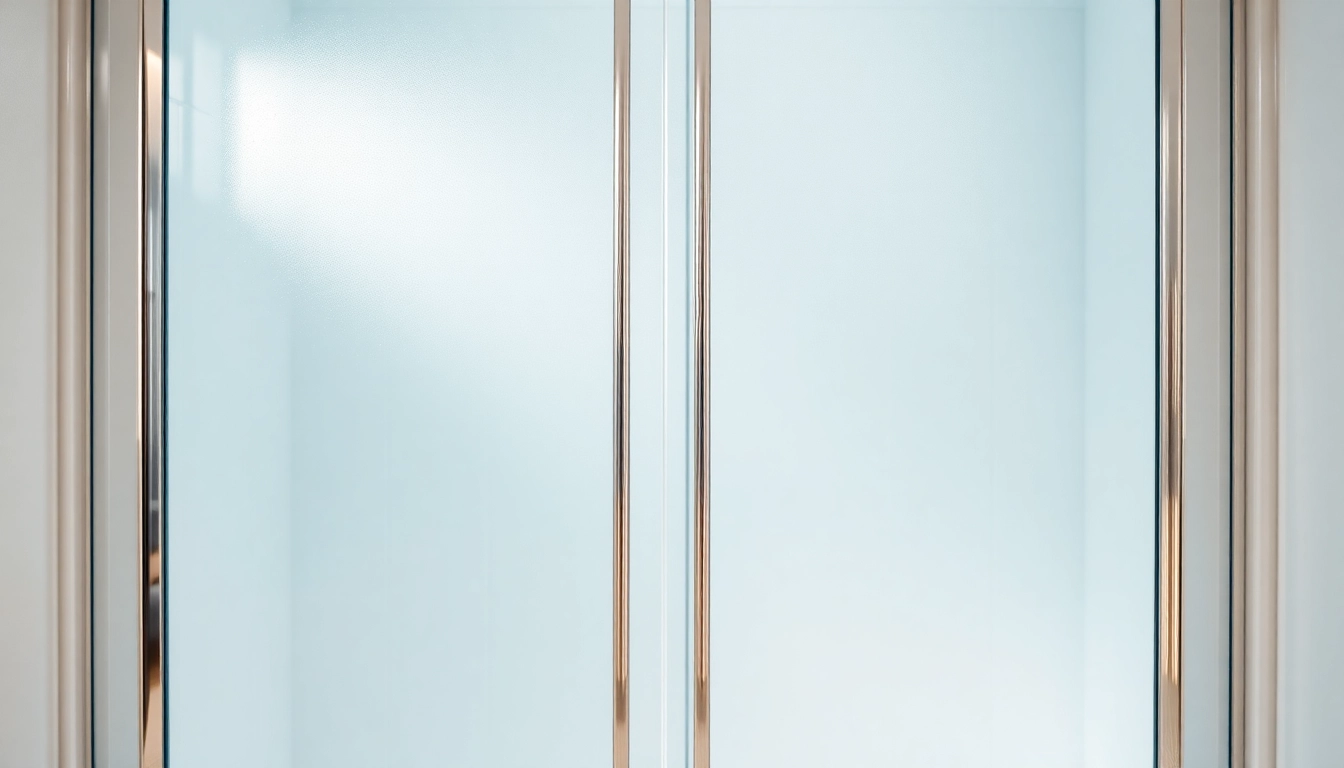
1. Introduction to Sliding Shower Doors
Sliding shower doors offer a blend of style, space efficiency, and functionality that can transform the aesthetics and usability of your bathroom. With various designs available, they can complement both modern and traditional decor while providing ease of access. For many homeowners and designers, sliding shower doors are the ideal choice for maximizing space without compromising on design.
1.1 What Are Sliding Shower Doors?
Sliding shower doors are a popular type of enclosure that utilizes a track system to allow the doors to slide open and closed, rather than swinging outward. This design is especially advantageous in smaller bathrooms, where space constraints can make it challenging to accommodate traditional hinged doors. Sliding doors can be made from various materials including glass and acrylic, and they come in various styles to suit different preferences.
1.2 Benefits of Sliding Shower Doors
The benefits of installing sliding shower doors are manifold:
- Space-saving design: Given their sliding mechanism, these doors require minimal clearance, making them perfect for compact bathrooms.
- Easy access: They provide a wide entry point, which can be particularly beneficial for individuals with mobility issues.
- Aesthetic appeal: Available in numerous designs and finishes, sliding doors can significantly enhance your bathroom’s overall look.
- Easy maintenance: With fewer crevices and edges compared to framed doors, they are easier to clean.
1.3 Ideal Settings for Sliding Shower Doors
Sliding shower doors are versatile enough to be installed in various settings:
- Small bathrooms: Their space-saving design is perfect for bathrooms where every inch counts.
- Modern bathrooms: The sleek look of sliding doors pairs well with contemporary design elements, especially in tiled or minimalistic spaces.
- Guest bathrooms: They provide a user-friendly option for guests and can enhance the room’s appeal.
- Luxury bathrooms: In upscale renovations, frameless designs can add a touch of elegance and sophistication.
2. Types of Sliding Shower Doors
When it comes to sliding shower doors, various styles can cater to differing design preferences, functionality needs, and budgets. Below, we will explore three popular types: frameless, semi-framed, and fully framed sliding shower doors.
2.1 Frameless Sliding Shower Doors
Frameless sliding shower doors provide a minimalist look that offers numerous advantages:
- Visual appeal: The absence of frames allows for unobstructed views and an illusion of space, making bathrooms look larger.
- Ease of cleaning: Without extensive frames, cleaning becomes less cumbersome, helping maintain hygiene.
- Variety: They come in various glass treatments, from clear to tinted or frosted, allowing customization to suit your taste.
2.2 Semi-Framed Sliding Shower Doors
Semi-framed sliding shower doors offer a compromise between functionality and aesthetics:
- Balance: They offer frames for added stability while allowing a more expanded view than fully framed options.
- Versatile styles: Semi-framed options cater to both modern and traditional design preferences.
- Durability: The framing provides added strength, making them more suitable for larger openings or heavier glass.
2.3 Fully Framed Sliding Shower Doors
Fully framed sliding shower doors are designed for those seeking enhanced durability and practicality:
- Stability: The framing helps hold the doors securely in place, making them ideal for high-use environments.
- Cost-effectiveness: Typically, framed doors come at a lower price point than frameless variants.
- Customization: These doors can be easily customized with various frame colors and finishes to match other bathroom fixtures.
3. Choosing the Right Sliding Shower Doors
Selecting the right sliding shower doors involves considering several factors including materials, dimensions, and design preferences. Here are some crucial aspects to guide your decision:
3.1 Material Considerations
The material of your sliding shower doors can greatly affect their appearance, durability, and maintenance needs:
- Glass: Tempered safety glass is common due to its resilience and safety features. It offers a clean look and comes in various thicknesses.
- Acrylic: Durable and lightweight, acrylic doors are less prone to shattering and can be easier to maintain, though they may scratch more readily than glass.
- Aluminum: Commonly used for frames, aluminum adds strength and reduces rust, especially in humid bathroom environments.
3.2 Size and Dimensions
Getting the size right is critical to ensure a proper fit and function:
- Measuring the opening: Carefully measure the width of the shower opening and height from the base to the ceiling to ensure the doors fit well.
- Clearance space: Ensure there’s enough space to accommodate the doors when they slide open. Check for obstructions in the area.
- Standard sizes: Familiarize yourself with standard door sizes, but don’t hesitate to explore custom options if your space requires it.
3.3 Style and Design Choices
Your personal style should guide your choice of design:
- Contemporary looks: For a modern bathroom, consider designs with sleek lines and clear glass.
- Traditional styles: Vintage-inspired frame colors and patterns can enhance classic decor themes.
- Custom designs: For those looking for a unique touch, consider custom etched designs or colored glass.
4. Installation Tips for Sliding Shower Doors
Installing sliding shower doors can be a manageable DIY project if you approach it carefully. Follow these tips to ensure a successful installation:
4.1 Preparing Your Space
Before starting the installation process, proper preparation is crucial:
- Gather tools: Essential tools include a level, drill, screwdrivers, and a measuring tape. Make sure to have all components on hand.
- Clean the area: Clear the shower area of debris, dust, or old fixtures that may impede installation.
- Assess the structure: Ensure the wall surfaces where you will install the tracks are intact and suitable for mounting.
4.2 Step-by-Step Installation Guide
- Measure and mark: Use a level to mark where the top track will be installed, ensuring it’s uniformly straight.
- Attach the top track: Drill pilot holes and secure the top track to the wall using screws.
- Set up the bottom track: Place the bottom track in the positioned area, ensuring it aligns with the top track.
- Install rollers: Attach rollers to the door panels as per the manufacturer’s instructions.
- Hang the doors: Lift the doors onto the top track and gently lower them into the bottom track.
- Adjust door alignment: Fine-tune the alignment using the adjustment screws typically found on the rollers.
- Test for smooth operation: Ensure the doors slide freely and make necessary adjustments.
4.3 Common Installation Mistakes to Avoid
Avoiding common pitfalls enhances the longevity of your installation:
- Skipping measurements: Lack of precise measurements can lead to misalignment.
- Ignoring leveling: Failing to ensure tracks are level may result in doors that slide poorly or are difficult to operate.
- Over-tightening screws: This can damage materials or lead to misalignment, so follow manufacturer recommendations for tightness.
5. Maintenance and Care for Sliding Shower Doors
Once you’ve installed your sliding shower doors, maintaining them is vital to ensure longevity and performance. Here’s how to care for them effectively:
5.1 Cleaning Techniques
Proper cleaning is essential to prevent soap scum and limescale buildup:
- Regular cleaning: For day-to-day maintenance, use a squeegee after each use to minimize water spots.
- Deep cleaning: Use pH-neutral cleaners or natural solutions like vinegar and baking soda for a seasonal thorough clean.
- Avoid harsh chemicals: Strong chemicals can damage finishes or glass treatments, so it’s best to stick to gentle formulas.
5.2 Regular Maintenance Checks
Schedule regular inspections to ensure your shower doors function optimally:
- Check seals and weather stripping: Inspect for wear and replace as needed to prevent leaks.
- Look for rust or corrosion: Inspect the tracks and metal components regularly, treating any areas of concern promptly.
- Test rollers: Ensure they’re functioning correctly and adjust as necessary for smooth operation.
5.3 Troubleshooting Common Issues
Knowing how to tackle common issues can save time and ensure longevity:
- Doors don’t slide smoothly: This may be due to misalignment or dirt in the tracks; clean and readjust as necessary.
- Leaking water: This may indicate worn seals or misplaced door panels. Inspect seals and adjust door placement.
- Noise when sliding: Inspect the rollers for damage or debris; lubricating can often alleviate squeaks.
FAQs
What materials are best for sliding shower doors?
High-quality glass, aluminum, and stainless steel are ideal for durability and aesthetics, ensuring longevity and style.
How do I measure for sliding shower doors?
Measure the width of the shower opening and the height from the threshold to the top of the enclosure for an accurate fit.
Can sliding shower doors be installed in any bathroom?
Yes, they fit well in most bathroom layouts, especially in smaller spaces where swinging doors may be impractical.
How do I prevent mold on sliding shower doors?
Regular cleaning and proper ventilation help prevent mold growth on glass and tracks, maintaining hygiene effectively.
What are the advantages of frameless sliding shower doors?
Frameless options create a sleek look and provide an illusion of a larger space while allowing easy maintenance.