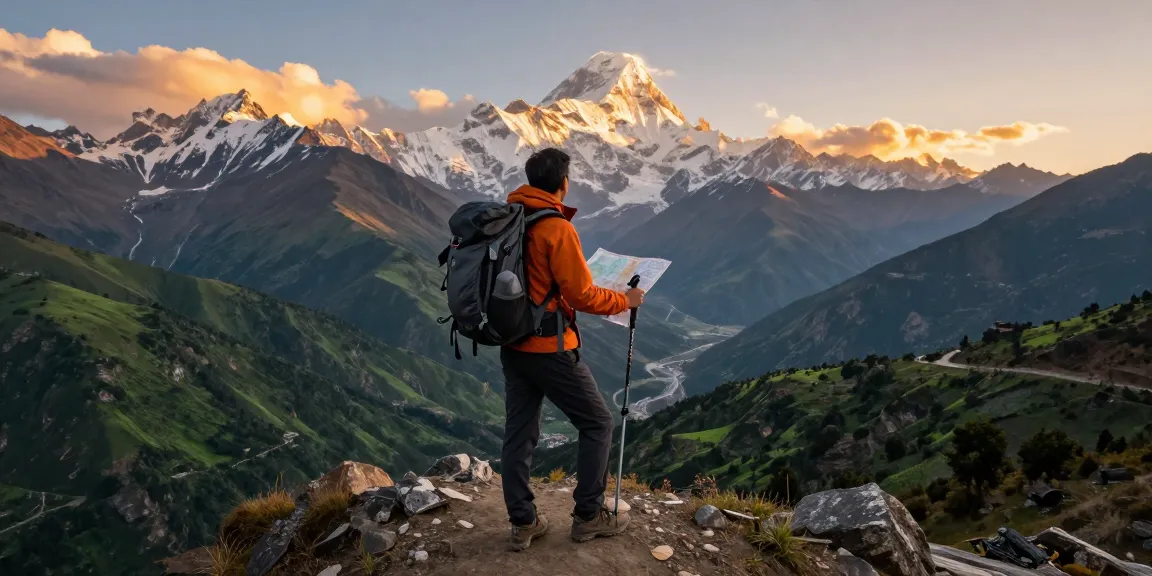
Top Global Cities for Remote Workers
In an era where flexible work arrangements are increasingly common, choosing the right place to call "home" while working remotely is more important than ever. Digital nomads and remote workers alike are drawn to vibrant locations that offer a blend of comfort, connectivity, and cultural richness. The best places to live for remote workers are not just about where you can work effectively; they also encompass affordability, local amenities, and exciting activities to fill your off-hours. Delve into this exploration of enticing destinations that cater to the modern remote worker, encompassing both bustling urban centers and serene locales, all designed to inspire your wanderlust while accommodating your work needs.
1. Ideal Destinations with Affordable Living Costs
Many remote workers prioritize budget considerations while selecting their ideal location. Cities like Bali, Indonesia, and Lisbon, Portugal, are not just known for their picturesque landscapes and vibrant culture but also for their low cost of living. In Bali, expect to find charming villas for rent, delicious street food, and coworking spaces that enable productivity in a serene environment. Lisbon, on the other hand, is celebrated for its affordable housing, transportation systems, and an array of lively neighborhoods that cater to various lifestyles.
- Bali, Indonesia: Relaxed atmosphere, cost-effective living, robust expat community.
- Lisbon, Portugal: Inviting weather year-round, impressive internet connectivity, rich cultural heritage.
- Chiang Mai, Thailand: Known for its charming countryside and affordable lifestyle, attracting numerous digital nomads.
2. Emerging Hotspots for Digital Nomads
As remote work continues to evolve, so do the cities that cater to this growing workforce. Emerging hotspots, such as Tbilisi, Georgia, and Mexico City, Mexico, are becoming increasingly popular among remote workers. Tbilisi lures with its fascinating history, vibrant arts scene, and a government initiative that provides long-term visas for digital nomads. Mexico City boasts a robust startup ecosystem, cultural diversity, and numerous coworking spaces designed to fuel creativity and productivity.
- Tbilisi, Georgia: Rich historical landscape, welcoming expat community, and affordable living.
- Mexico City, Mexico: Gourmet food scene, vibrant social life, and excellent internet access.
- Budapest, Hungary: A perfect blend of historic charm and modern amenities, with a growing number of coworking spaces available.
3. Cultural Experiences in Major Urban Centers
For those who thrive on culture, working remotely in major cities offers the advantage of endless opportunities for exploration and enjoyment. Cities like Barcelona, Spain, and Berlin, Germany, provide rich cultural influences alongside excellent infrastructure for remote workers. Barcelona is famous for its stunning architecture, lively tapas bars, and beach access, while Berlin is saturated with art, history, and modern amenities that make remote work a pleasure.
- Barcelona, Spain: Beautiful beaches, a vibrant arts scene, and numerous cafes perfect for working.
- Berlin, Germany: A cultural hub with an efficient public transport system and innovative coworking spaces.
- Auckland, New Zealand: Great combination of urban living and nature, ensuring a perfect work-life balance.
How to Choose Your Ideal Remote Work Location
Choosing your ideal remote work location requires in-depth research and personal reflection on what factors matter most to you. When exploring options, the best places to live for remote workers often combine necessary amenities with cultural experiences that align with your lifestyle preferences.
1. Evaluating Internet Connectivity and Infrastructure
Reliable internet connectivity is arguably the most crucial element for remote workers. Ensure that your chosen city can provide high-speed broadband access and infrastructure tailored to digital nomads—this includes coworking spaces, cafes with Wi-Fi, and quiet areas. Research local internet service providers and read recent reviews from other remote workers to gauge the quality of service available.
2. Checking Local Amenities and Lifestyle
Consider what amenities make day-to-day living enjoyable. Think about proximity to grocery stores, fitness centers, parks, and cultural spots. Cities with thriving expat communities often offer services that cater to their needs, making it easier for newcomers to feel at home. Evaluate your lifestyle preferences: do you prefer a bustling city atmosphere, or is tranquility more appealing?
3. Understanding Visa and Travel Requirements
Different countries have various visa requirements for remote workers that can impact your travel plans. Some destinations may offer ‘digital nomad visas,’ which allow you to live and work legally for extended periods. Make yourself informed regarding the necessary paperwork, duration of stays permitted, and any local regulations to ensure seamless travel.
Cost of Living Comparisons for Remote Workers
Affordability plays a pivotal role in the decision-making process for many remote workers. Comparing the cost of living across different countries and cities allows you to make informed financial choices, ensuring your new lifestyle aligns with your budget.
1. Budget-Friendly Places Around the World
Countries like Vietnam, Mexico, and Portugal are continually rated among the most affordable for expats. In cities such as Hanoi, even with a modest budget, you can afford a comfortable lifestyle, savor exquisite cuisine, and enjoy countless activities.
- Hanoi, Vietnam: Low accommodation costs and cheap local food make it an ideal budget location.
- Oaxaca, Mexico: Rich cultural heritage alongside affordability in dining and living.
- Porto, Portugal: Charming scenery and cost-effective living options that appeal to remote workers.
2. Comparing Housing Options in Different Countries
Housing styles differ significantly across countries, impacting your budget considerably. Explore whether you prefer renting an apartment, staying in a shared space, or opting for short-term rentals through platforms like Airbnb. Always factor in additional costs, such as utilities and services, when budgeting for your stay.
3. Estimated Monthly Expenses: A Detailed Breakdown
When planning for remote work abroad, a breakdown of expected expenses can help you stay within a budget. This breakdown should include rent, utilities, food, transportation, internet, and entertainment. Each city has its unique pricing structures that can significantly affect your overall financial planning.
Adventure Activities to Experience While Living Abroad
For many, living abroad while working remotely isn't solely about work. It's also an opportunity for adventure and exploration. Here are some activities that can enrich your experience:
1. Top Outdoor Adventures in Popular Locations
Outdoor activities can rejuvenate the mind and body, serving as a perfect counterbalance to sedentary work life. From hiking in the lush forests of Chiang Mai to surfing on the beaches of Bali, outdoor adventures come in many forms, depending on where you choose to live. Engage with local tour guides to discover hidden gems and embrace the natural beauty of your surroundings.
2. Local Experiences That Ignite Inspiration
Take advantage of cultural experiences that stimulate creativity! Participate in local cooking classes, art workshops, or language lessons. Immersing yourself in diverse cultures can enhance your work-life balance and inspire your professional endeavors.
3. Travel Activities That Promote Work-Life Balance
Scheduled breaks for travel or activities can help control stress levels and maintain a healthy work-life balance. Plan weekend excursions, attend local events, or join a community project. Engaging with locals will enrich your experience and provide valuable insights into your new destination.
Staying Productive While Traveling: Tips for Remote Workers
Productivity can be a challenge when facing the allure of new destinations, but following some structured strategies can pave the way for success.
1. Effective Time Management Strategies
Use tools like time blocking, calendar reminders, and productivity apps to prioritize tasks. Establishing a consistent daily schedule can help you stay focused while allowing time for leisure and exploration. Always consider your most productive hours and align your work commitments accordingly.
2. Creating a Functional Workspace Anywhere
Your workspace can significantly influence productivity. Choose locations that offer quiet in which to work, whether it's a cozy corner of a local café or a dedicated desk in a coworking space. Bring essential equipment, like noise-canceling headphones and portable chargers, to facilitate a comfortable working environment.
3. Balancing Work Commitments with Travel Plans
Flexible work hours are a boon for many remote workers, providing the opportunity to explore their surroundings without compromising work performance. To achieve this balance, communicate with your team about your traveling plans and establish clear boundaries to ensure productivity.