Understanding the Health Benefits of CBD
As interest in natural wellness solutions continues to grow, one compound that has captured the attention of both researchers and consumers is Cannabidiol (CBD). Derived from the hemp plant, CBD interacts with the body in unique ways, potentially offering a range of health benefits. With evidence emerging from various studies, individuals are increasingly seeking CBD as a natural alternative for improving their overall wellness. In this article, we will explore how CBD works within the body, its therapeutic applications, and practical guidelines for safe use, highlighting why CBD products from a dispensary in Santa Clarita may be of interest to wellness seekers.
What is CBD and How Does it Work?
CBD is one of over a hundred cannabinoids found in the Cannabis sativa plant. Unlike THC (tetrahydrocannabinol), the primary psychoactive component of cannabis, CBD is non-intoxicating. When consumed, CBD interacts with the body's endocannabinoid system (ECS), a complex network of receptors and molecules that play a crucial role in regulating numerous physiological processes, including mood, pain, appetite, and sleep.
The ECS comprises two primary receptors: CB1 and CB2. CB1 receptors are mostly found in the brain and central nervous system, while CB2 receptors are prevalent in the immune system and peripheral tissues. CBD is thought to interact indirectly with both receptors, enhancing endocannabinoid signaling and promoting homeostasis within the body.
Top Health Benefits of CBD for Wellness
Research into the health benefits of CBD is expanding, revealing various therapeutic applications:
- Anxiety and Stress Management: Multiple studies suggest that CBD may help reduce anxiety by influencing serotonin receptors in the brain, providing a calming effect without the intoxicating effects of THC.
- Sleep Quality Improvement: CBD has been shown to help some individuals achieve better sleep quality by addressing underlying issues such as anxiety or pain that may disrupt sleep.
- Pain and Inflammation Reduction: Both preclinical and clinical studies indicate that CBD may reduce chronic pain and inflammation, making it a promising option for individuals suffering from arthritis or other inflammatory conditions.
- Focus and Mental Clarity: Some users report improved focus and cognitive function, possibly due to its calming effects on anxiety.
- Post-Workout Recovery: Athletes have begun integrating CBD into their post-workout routines due to its potential anti-inflammatory properties, which may help reduce muscle soreness.
Types of CBD Products and Their Uses
Exploring Different CBD Delivery Methods
CBD products come in various forms, each with its unique delivery method and onset time. The effectiveness and bioavailability of CBD can differ significantly depending on how it is consumed:
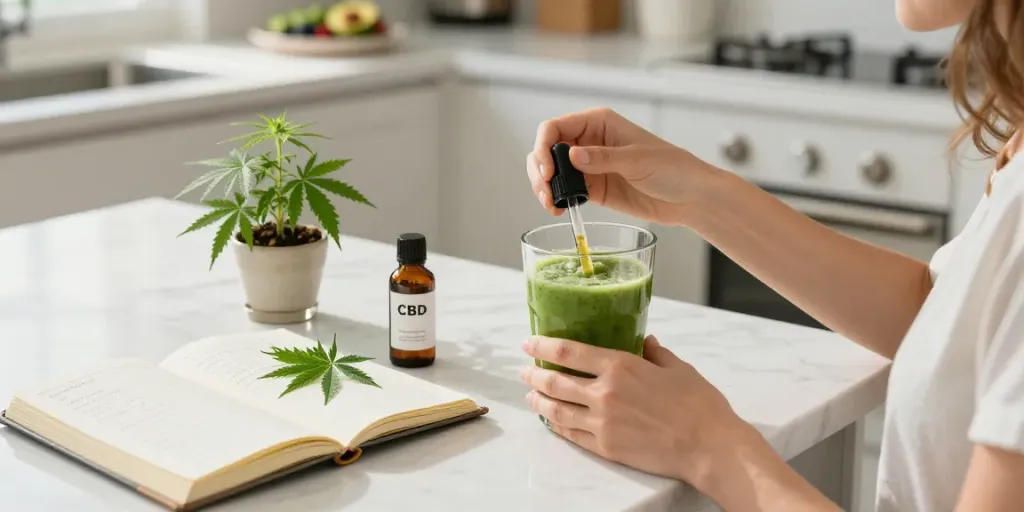
- Oils and Tinctures: These are typically taken sublingually (under the tongue) for rapid absorption, offering effects within 15-30 minutes. Dosing can be adjusted easily with droppers for precise control.
- Edibles: This category includes gummies, capsules, and beverages. Edibles must undergo digestion, resulting in delayed onset (30 minutes to 2 hours) but often provide longer-lasting effects.
- Topicals: CBD-infused creams and balms are applied directly to the skin for localized relief. These products penetrate the skin to interact with CB2 receptors but do not enter the bloodstream.
- Vape Products: Vaporizers allow users to inhale CBD vapor, leading to nearly instantaneous effects. However, the long-term impacts of vaping are still being studied, and users should choose high-quality products.
Choosing Between Oils, Edibles, and Topicals
Selecting the right CBD product for your needs depends on your lifestyle and desired effects. Oils and tinctures are ideal for those seeking quick relief, while edibles might suit individuals who prefer discreet consumption and longer-lasting effects. Topicals are ideal for targeting specific areas of pain or inflammation without systemic effects. Vaping may appeal to users looking for rapid onset but requires careful consideration of the product quality.
Understanding Full-Spectrum vs. Isolate CBD
CBD products can be categorized into three main types: full-spectrum, broad-spectrum, and isolates. Each type offers varying compounds:
- Full-Spectrum: Contains all cannabinoids, terpenes, and other compounds from the cannabis plant, including trace amounts of THC (<0.3%). This "entourage effect" may enhance therapeutic benefits.
- Broad-Spectrum: Similar to full-spectrum but with the THC removed, offering potential benefits without psychoactive effects.
- Isolate: Pure CBD with no other cannabinoids or compounds, suitable for those who require THC-free options.
Safe Dosage Guidelines for Effective Use
Calculating Your Ideal CBD Dosage
Determining the correct dosage of CBD can vary significantly based on individual factors, such as body weight, metabolism, and the condition being treated. Most experts recommend starting with a low dose and gradually increasing until the desired effects are achieved.
Factors Influencing CBD Dosage
Several factors can influence the appropriate dosage:
- Your weight and body composition
- Severity of the condition you're treating
- Your unique metabolism and tolerance levels
- Type of product being used
Starting Low and Going Slow: Best Practices
When beginning with CBD, the "start low and go slow" approach is advisable. Many users effectively manage their doses by incrementally increasing their intake every few days until they find their optimal level. Documenting experiences in a journal can provide valuable insights for adjustments.
Ensuring Product Quality and Transparency
Importance of Certificates of Analysis (COA)
Transparency and product quality are crucial when selecting CBD products. Certificates of Analysis (COAs) provide detailed lab results regarding the product's potency, safety, and composition. Reputable brands will make these readily available to consumers.
Choosing Lab-Tested and Certified Products
It is essential to choose products that have undergone rigorous third-party testing. This ensures the product is free of contaminants, such as heavy metals, pesticides, and solvents, which could pose health risks.
Recognizing Reputable Brands in the Market
Finding a trustworthy brand can be daunting. Look for companies that provide clear information about their sourcing, manufacturing processes, and third-party lab testing results. Avoid brands that make exaggerated claims or lack transparency.
Navigating Legal Regulations for CBD in 2026
Current Legal Status of CBD in California
The legal landscape for CBD has evolved significantly over the past few years. Under the 2018 Farm Bill, hemp-derived CBD with less than 0.3% THC is federally legal. However, regulations can vary by state, and it's important to stay informed of local laws.
Age Verification and ID Requirements
In California, individuals must be at least 21 years old to purchase CBD and cannabis products. Valid, government-issued identification is required for orders, ensuring compliance with state regulations.
Understanding Local Dispensary Regulations
Dispensaries must adhere to strict local regulations regarding the sale of cannabis products. They are often required to provide clear labeling, educate consumers on safe use, and support responsible consumption practices.
What is the Difference Between CBD and THC?
CBD and THC are both cannabinoids found in the cannabis plant but possess distinct properties. While THC is psychoactive and produces a "high," CBD does not and is often celebrated for its potential therapeutic properties. Understanding this difference is essential for consumers seeking specific effects.
What are Potential Drug Interactions with CBD?
CBD can interact with certain medications, including blood thinners and seizure drugs, due to its effect on liver enzymes involved in drug metabolism. Always consult with a healthcare professional before starting any CBD regimen, especially if taking other medications.
What are Best Practices for Storing CBD Products?
To maintain the potency of CBD products, store them in a cool, dry place away from direct sunlight. Proper storage can prevent degradation and enhance shelf life, ensuring quality over time.
Health & Wellness Content
Potential Therapeutic Applications (Research-Backed)
The potential therapeutic applications of CBD are broad and continue to garner ongoing research attention:
- Anxiety and Stress Management: A 2019 review highlighted CBD's potential effects on anxiety in various populations, showing promising results in generalized anxiety disorder, social anxiety, and post-traumatic stress disorder.
- Sleep Quality Improvement: Research published in the Journal of Clinical Psychology noted improvements in sleep quality and reduction in anxiety, leading to better overall sleep patterns when CBD was administered.
- Pain and Inflammation Reduction: Clinical trials have suggested that CBD, particularly in combination with THC, can be effective in alleviating chronic pain conditions, such as arthritis and neuropathic pain.
- Focus and Mental Clarity: Users report anecdotal benefits in focus and cognitive clarity when using CBD, potentially linked to its calming effects on anxiety levels.
- Post-Workout Recovery: Anecdotal evidence suggests CBD may assist in recovery post-exercise, helping to reduce muscle soreness while promoting balance in the body's recovery processes.
Explaining the Endocannabinoid System (ECS) and How CBD Interacts With It
The endocannabinoid system plays a pivotal role in maintaining homeostasis within the body. By interacting with ECS receptors, CBD helps modulate a variety of physiological processes, potentially providing therapeutic effects, particularly for stress-related conditions and inflammatory responses.
Addressing Bioavailability Differences Between Delivery Methods
Bioavailability—the proportion of a substance that enters circulation when introduced into the body—varies across delivery methods. For example, sublingual oils have higher bioavailability compared to oral edibles due to direct absorption into the bloodstream. When selecting a method, consider the intended use and desired onset time.
Discussing Onset Time and Duration of Effects for Different Products
Onset time can greatly affect the user experience. Vaping offers rapid effects within minutes, whereas edibles may take longer but last more extended periods. Understanding these differences aids consumers in managing their expectations and planning their usage.
Covering Proper Storage Methods to Maintain Potency
Storage conditions directly affect the longevity and potency of CBD products. Keep products in airtight containers away from light and heat to prevent degradation and ensure that they remain effective for longer.
Explaining Shelf Life Considerations
CBD products generally have a shelf life of 12-24 months if stored properly. However, checking expiry dates and observing product changes in appearance or smell can help ensure safety and quality when using them.
Safety & Compliance
Including Mandatory FDA Disclaimers
CBD products are not FDA-approved, and consumers should be aware that “These statements have not been evaluated by the Food and Drug Administration. This product is not intended to diagnose, treat, cure, or prevent any disease.” Always consult a healthcare professional before using CBD products, especially if pregnant or nursing.
Addressing Potential Side Effects and Contraindications
Although many individuals tolerate CBD well, some may experience side effects such as drowsiness, dry mouth, or digestive changes. Moreover, CBD can interact with other medications, so users should approach with caution and consult with their healthcare provider.
Discussing Drug Testing Concerns
Full-spectrum CBD products may contain trace amounts of THC, which could result in a positive drug test. Individuals subject to drug screening should consider using isolate or broad-spectrum products to mitigate this risk.
Age Restrictions and Responsible Use Messaging
Due to regulatory requirements, all consumers must be 21 years or older when purchasing CBD products. It is essential to advocate for responsible use, promoting awareness of effects and proper dosing guidelines.
Quality Control and Counterfeit Product Warnings
The availability of low-quality or counterfeit products poses a significant risk in the CBD market. Consumers should be cautious of overly cheap offerings, unclear manufacturing processes, and vague labeling—opt for reputable brands with verified laboratory results instead.
Content Quality & Depth
The wellness landscape is continually evolving, and consumers should be equipped with the best information to navigate it effectively. For more information, Canyon Leaf dispensary offers valuable insights. Whether considering CBD for anxiety relief or enhancing overall health, education plays a critical role in making informed decisions regarding the use of CBD products. Recognizing the importance of quality assurance, responsible use, and scientific backing ensures that wellness seekers can safely enjoy the benefits of this remarkable compound.