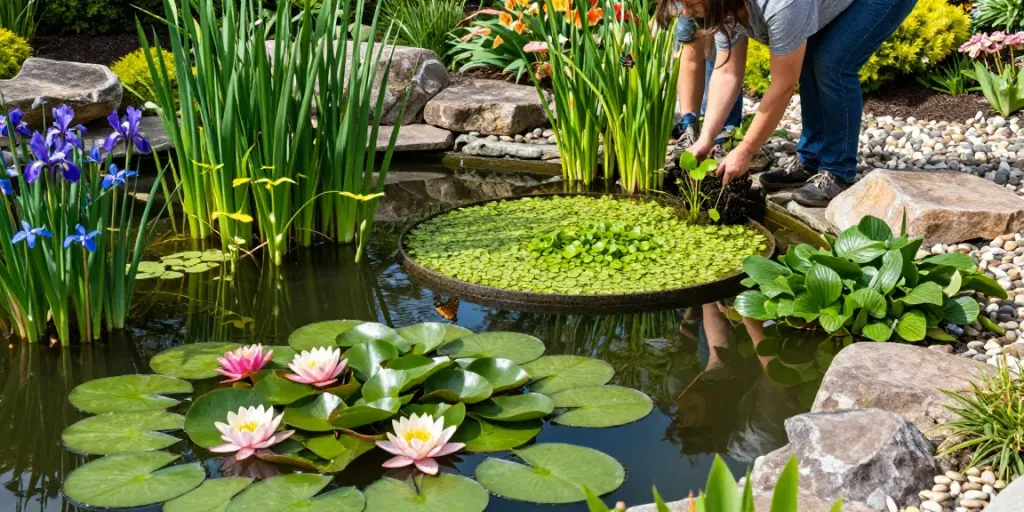
Understanding the Importance of British Pond Plants
Pond plants play a vital role in creating a balanced and healthy aquatic ecosystem. From enhancing water quality to providing vital habitats for wildlife, these plants are essential not just for aesthetics but for the overall health of your water garden. For anyone considering enhancing their outdoor space, exploring British Pond Plants offers a variety of choices tailored to the specific needs of UK environments.
Why Are British Pond Plants Essential for Ecosystems?
British pond plants are crucial components of aquatic ecosystems, contributing to biodiversity while providing food and shelter for various species of fish, amphibians, and insects. These plants play three main roles: they serve as oxygenators, they absorb excess nutrients, and they create habitats for wildlife. Oxygenating plants, for instance, are submerged species that produce oxygen during photosynthesis, which is vital for fish health. Without these plants, the oxygen levels in the water can drop, leading to a decline in fish populations and overall water quality.
Benefits of Keeping Aquatic Plants in Ponds
- Improve Water Quality: Aquatic plants absorb pollutants and excess nutrients that can lead to algae blooms, ensuring clearer water.
- Provide Habitat: They create shelter and spawning grounds for fish and other aquatic species, contributing to a diverse ecosystem.
- Enhance Aesthetics: They add natural beauty to ponds, making the landscape more attractive and inviting.
- Support Wildlife: Plants attract beneficial insects and provide food sources for birds, frogs, and other wildlife.
Common Misconceptions About Pond Plants
Despite their undeniable benefits, there are several misconceptions concerning pond plants. One common myth is that all pond plants are invasive. While some species can spread rapidly, many native British plants are well-behaved and can be managed effectively. Additionally, some believe that introducing pond plants is unnecessary, but they are actually vital for maintaining a balanced ecosystem.
Types of British Pond Plants You Should Know
When selecting plants for your pond, it's essential to understand the different types and their roles within the ecosystem. Here are the primary categories of British pond plants.
Oxygenating Plants: Their Role in Pond Health
Oxygenating plants, such as hornwort (Ceratophyllum demersum) and water crowfoot (Ranunculus aquatilis), are submerged plants that grow beneath the water's surface. They perform a crucial function by releasing oxygen into the water, which is vital for the survival of aquatic life. These plants also absorb carbon dioxide and nutrients from the water, helping to combat algae growth and improve clarity.
Marginal Plants and Their Aesthetic Value
Marginal plants grow in shallow water along the edges of ponds. Examples include water mint (Mentha aquatica) and common bulrush (Typha latifolia). These plants are not just beautiful; they help stabilize pond banks, reduce erosion, and provide habitats for various animals. Their height and flowering nature can also add vertical interest to the pond area.
Floating Plants vs. Deep Water Plants: What You Need
Floating plants, such as water lettuce (Pistia stratiotes) and frogbit (Hydrocharis morsus-ranae), thrive on the surface of the water, providing shade and reducing sunlight penetration, which helps control algae growth. On the other hand, deep water plants, like water lilies (Nymphaea spp.), are rooted at the pond's bottom with large leaves floating on the surface, offering beauty and shade while also enhancing oxygen levels in the water.
How to Choose the Right British Pond Plants
Selecting the right plants for your pond is essential for ensuring a thriving ecosystem. The choices you make will impact the health of your water, the aesthetic value of your garden, and the diversity of wildlife that visits.
Factors to Consider for Plant Selection
- Pond Depth: Some plants prefer deeper water, while others thrive in shallow areas.
- Sunlight Exposure: Consider how much sunlight your pond receives. Some plants require full sun, while others thrive in partial shade.
- Water Quality: Evaluate the current nutrient levels and clarity of your pond water, as this will affect plant health.
Best Practices for Pond Plant Placement
To ensure that your pond plants thrive, it's crucial to understand proper placement. Oxygenators should be strategically placed throughout the pond to maximize their impact on water quality. Marginal plants should be positioned along the edges to soften the pond's look and provide habitat. Floating plants should be in areas where they can receive sunlight without overcrowding the surface.
Mixing Different Pond Plants for Best Results
A well-planned pond includes a mix of different plant types to create balance. Combining oxygenating, marginal, and floating plants not only provides aesthetic diversity but also supports a healthy ecosystem. Aim for a plant coverage of about 50-70% of the pond's surface to achieve the best outcomes.
Planting and Caring for British Pond Plants
Planting and maintaining your pond plants effectively will lead to a flourishing aquatic habitat. Here are some essential steps to follow.
Step-by-Step Planting Instructions
- Choose Suitable Containers: When planting, consider using aquatic baskets filled with aquatic compost.
- Determine Planting Depth: Follow the recommended depths for each species to avoid stunted growth.
- Position Carefully: Place plants in their respective areas as per their type (oxygenating, marginal, floating, etc.).
- Monitor Growth: After planting, observe the plants for any signs of distress or poor growth.
Maintenance Tips for Healthy Pond Plants
Ongoing care for your pond plants includes removing dead foliage, checking for signs of pests, and ensuring adequate sunlight reaches all plants. Trim back overgrown plants to prevent overcrowding and maintain a healthy balance.
Managing Growth and Preventing Invasiveness
While some plants are beneficial, others can become invasive if not managed properly. Regularly thinning out vigorous species can help prevent overcrowding, ensuring that all plants have the space they need to grow effectively.
Troubleshooting Common Pond Plant Issues
Even with the best care, pond plants can face challenges. Knowing how to address these issues can save your pond's ecosystem.
Identifying and Resolving Growth Problems
Common issues include yellowing leaves, poor growth, and pests. Yellowing leaves might indicate nutrient deficiencies or incorrect planting depth, while slow growth could mean the plants are not receiving adequate light. Investigate each plant's specific needs to identify the problem accurately.
How to Support Plant Health Year-Round
Maintaining healthy pond plants throughout the seasons involves adjusting care routines based on seasonal changes, such as reducing feeding during winter dormancy and ensuring adequate protection from frost.
Future Trends in British Pond Gardening
As gardeners become more eco-conscious, the demand for native British pond plants is growing. This trend reflects a broader commitment to biodiversity and sustainability, encouraging the use of local species that support native wildlife and require less maintenance.
What are the top British pond plants for beginners?
For novice pond keepers, choosing hardy plants that are easier to establish is crucial. Water lilies, iris, and floating plants like duckweed (Lemna spp.) are excellent choices that will thrive with minimal care.
How do I prevent algae in my pond using plants?
To limit algae growth, ensure you have a sufficient number of oxygenating and floating plants in your pond. They help compete for nutrients that algae need to flourish. Regular maintenance, such as removing decayed organic matter, also supports water quality and keeps algae at bay.
Can British pond plants survive winter weather?
Many native British pond plants are well-equipped to survive winter conditions. While they may die back above water, their root systems remain alive and will regrow in spring as temperatures rise.
What is the best time to plant British pond plants?
Spring is typically the best season for planting pond plants, allowing them to establish roots during the warmer months. However, certain hardy plants can also be added in fall.
How do I order healthy British pond plants online?
When ordering pond plants online, ensure you select a reputable supplier who provides clear guidelines on planting and care. Look for healthy, robust plants and check customer reviews for reliability.