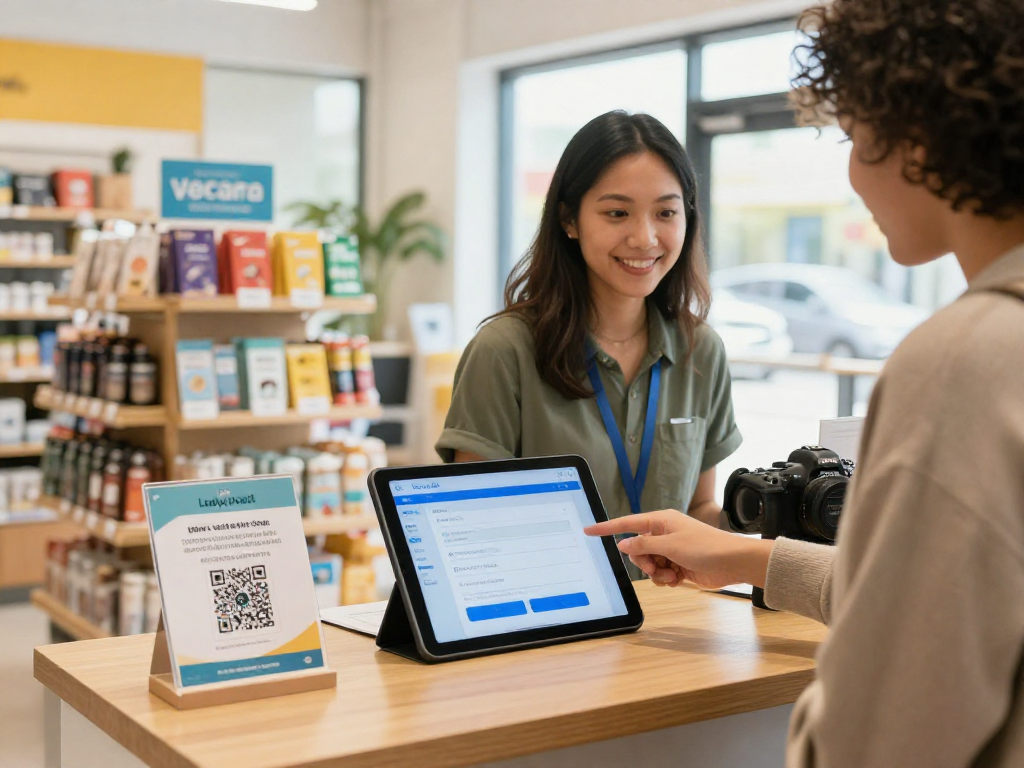
Understanding Loyalty Software: What Is It?
Loyalty software is a powerful tool designed for businesses aiming to incentivize customer retention and engagement. In today's highly competitive market, small businesses need to adopt innovative methods to attract and keep customers. The implementation of loyalty programs via dedicated software serves this purpose by creating direct connections between businesses and their customers. This article explores the significance of loyalty software, how it operates, and what small businesses can gain from its application.
Definition and Key Features of Loyalty Software
Loyalty software refers to digital platforms that help businesses create, manage, and analyze customer loyalty programs. These programs are aimed at enhancing customer satisfaction and encouraging repeat business. Key features typically include:
- Customer Tracking: Monitor customer purchases and behaviors over time.
- Rewards Management: Set up points systems, cashback offers, or exclusive discounts.
- Automated Communications: Send reminders, newsletters, or promotional offers based on customer behaviors.
- Analytics and Reporting: Offer insights on customer engagement and program effectiveness.
- Customization: Allow businesses to tailor the loyalty program to their specific market needs.
The Importance of Loyalty Programs for Small Businesses
In an era where acquiring new customers can be significantly more expensive than retaining existing ones, loyalty programs stand out as a cost-effective strategy. They not only encourage repeat business but also enhance customer satisfaction and brand loyalty. Research indicates that loyal customers tend to spend more, refer others, and contribute positively to word-of-mouth marketing, all of which are vital for long-term business growth. Moreover, integrating loyalty programs with technologies such as QR codes can streamline the process, making it easier for customers to earn and redeem rewards.
How Loyalty Software Works: A Step-by-Step Breakdown
The mechanics of loyalty software are designed to be user-friendly for both businesses and their customers. Initially, businesses set up their desired loyalty structure, such as points accumulation for purchases or stamps for visits. Customers typically create accounts through a simple onboarding process. For example, a small café may implement a system where customers earn points for every coffee purchased, which they can later redeem for discounts or free items. In this way, loyalty software not only simplifies management but also enhances customer experience by making it engaging and rewarding.
Choosing the Right Loyalty Software for Your Business
When exploring options, loyalty software provides comprehensive insights into what features are most beneficial for different types of businesses. Selecting the right loyalty software is paramount to maximizing customer engagement and program effectiveness.
Key Considerations When Selecting Loyalty Software
Choosing the right loyalty software entails evaluating several key factors:
- Ease of Use: Both business staff and customers should find the platform intuitive.
- Integration Capabilities: Ensure the software can integrate with existing POS systems, CRM software, and eCommerce platforms.
- Customizability: Look for options that can be tailored to fit the unique needs of your business.
- Customer Support: Reliable support services are essential for troubleshooting issues quickly.
- Analytics Features: Advanced reporting tools help track the program's performance and customer behavior trends.
Comparing Different Loyalty Software Options
With numerous loyalty software solutions available in the market, comparing their features, pricing, and customer reviews is essential. Some solutions may focus heavily on gamification, while others might offer sophisticated analytics capabilities. Look for platforms that include features that align best with your business goals, whether aiming to enhance customer engagement, simplify management tasks, or gather valuable data insights.
Understanding Pricing Models: Cost vs. Value
When assessing loyalty software, understanding the pricing models is crucial. Many platforms offer tiered pricing based on the number of customers, features included, or the extent of customization. It's essential to weigh these costs against the potential value they bring in terms of customer retention and increased sales. A higher price point may be justified if the software delivers superior features that enhance customer engagement and return on investment.
Implementing a Successful Loyalty Program
Launching a loyalty program involves careful planning and execution to ensure it resonates with customers. Successful implementation can greatly enhance customer engagement and loyalty towards your brand.
Best Practices for Setting Up Your Loyalty Program
To set up a successful loyalty program, keep the following best practices in mind:
- Keep it Simple: Customers should easily understand how to earn and redeem rewards.
- Communicate Clearly: Provide clear information on program benefits, and encourage sign-ups through in-store promotions and digital channels.
- Make it Personal: Use customer data to send personalized offers and reminders, enhancing the customer experience.
- Incorporate Feedback: Regularly solicit feedback from customers to adapt and improve the program continuously.
Common Pitfalls to Avoid When Launching a Loyalty Program
While setting up a loyalty program, avoid common pitfalls that can hinder success:
- Overcomplicating the Program: Too many rules or requirements can deter participation.
- Neglecting Ongoing Engagement: Once established, it’s essential to keep customers engaged with regular updates and offers.
- Failing to Measure Success: Without tracking outcomes, you can't assess what works and what doesn't, making it challenging to adapt your strategy.
Engaging Customers Through Effective Communication
Effective communication is vital in maintaining customer interest and participation in your loyalty program. Utilize various channels—emails, SMS, and social media—to regularly update customers about their points, upcoming promotions, and special events. Personalized messages based on user behavior can significantly enhance engagement levels.
Measuring the Success of Your Loyalty Program
To ensure that your loyalty program is effective, it's essential to track its performance continuously. By analyzing key metrics, you can make informed adjustments to improve customer satisfaction and retention.
Key Performance Indicators (KPIs) to Track
Several KPIs are critical for evaluating the success of your loyalty program:
- Customer Retention Rate: Measure how many customers are returning after their first purchase.
- Program Participation Rate: Determine what percentage of your customers are actively participating in the loyalty program.
- Redemption Rate: Track how often rewards are redeemed, as high rates indicate that customers find value in the program.
- Average Order Value: Monitor if customers who engage with the loyalty program tend to spend more.
Utilizing Customer Data for Continuous Improvement
Customer data is invaluable for fine-tuning your loyalty program. Analyze purchasing patterns to identify popular products or promotions, and adjust your offerings accordingly. For example, if a particular reward is frequently redeemed, consider expanding that offering or introducing similar rewards to enhance customer satisfaction.
Adjusting Strategies Based on Customer Feedback and Engagement
Regularly solicit feedback from your customers about their experience with the loyalty program. This feedback will provide insights into what is working well and where improvements are necessary. Implementing customer suggestions can lead to increased satisfaction and loyalty.
Future Trends in Loyalty Software for 2026 and Beyond
As the digital landscape continues to evolve, loyalty software is expected to incorporate more advanced technologies that enhance the customer experience further.
Innovative Features to Look for in Upcoming Loyalty Software
Future loyalty software is likely to include features like:
- AI-Powered Analytics: Utilize artificial intelligence to predict customer behavior and tailor rewards accordingly.
- Gamification Elements: Integrate game-like elements to foster increased engagement through challenges and rewards.
- Social Integration: Enhance the referral process by enabling customers to share their rewards or experiences on social media platforms.
Predictions for Customer Engagement Strategies
In the coming years, businesses will increasingly rely on personalized marketing techniques. Predictive analytics and customer segmentation will allow companies to deliver tailored rewards and communications, enhancing the likelihood of customer retention and loyalty.
Adapting to Changing Consumer Behavior in Loyalty Programs
As consumer behaviors adapt, loyalty programs must evolve to meet new expectations. This adaptability will require businesses to remain agile and responsive to trends, whether through mobile engagement, sustainability initiatives, or enhanced customer support capabilities.
What are the primary benefits of using loyalty software?
The principal benefits of loyalty software include enhanced customer retention, increased sales per customer, improved customer satisfaction, and actionable insights through data analytics.
How can I promote my loyalty program effectively?
Promoting your loyalty program can be done through in-store signage, social media promotions, email newsletters, and integrating it into customer service interactions.
What types of businesses benefit most from loyalty programs?
Retail, food service, and hospitality industries typically benefit the most from loyalty programs, as these are sectors where repeat customer visits are critical for profitability.
How do I handle customer data securely in loyalty programs?
Prioritize secure data management by complying with GDPR regulations and implementing strong encryption methods to protect customer information.
What are some successful examples of loyalty programs?
Companies such as Starbucks and Amazon have successfully employed loyalty programs, effectively increasing customer retention through personalized offers and reward systems.. Additionally, loyalty software provides further details.